
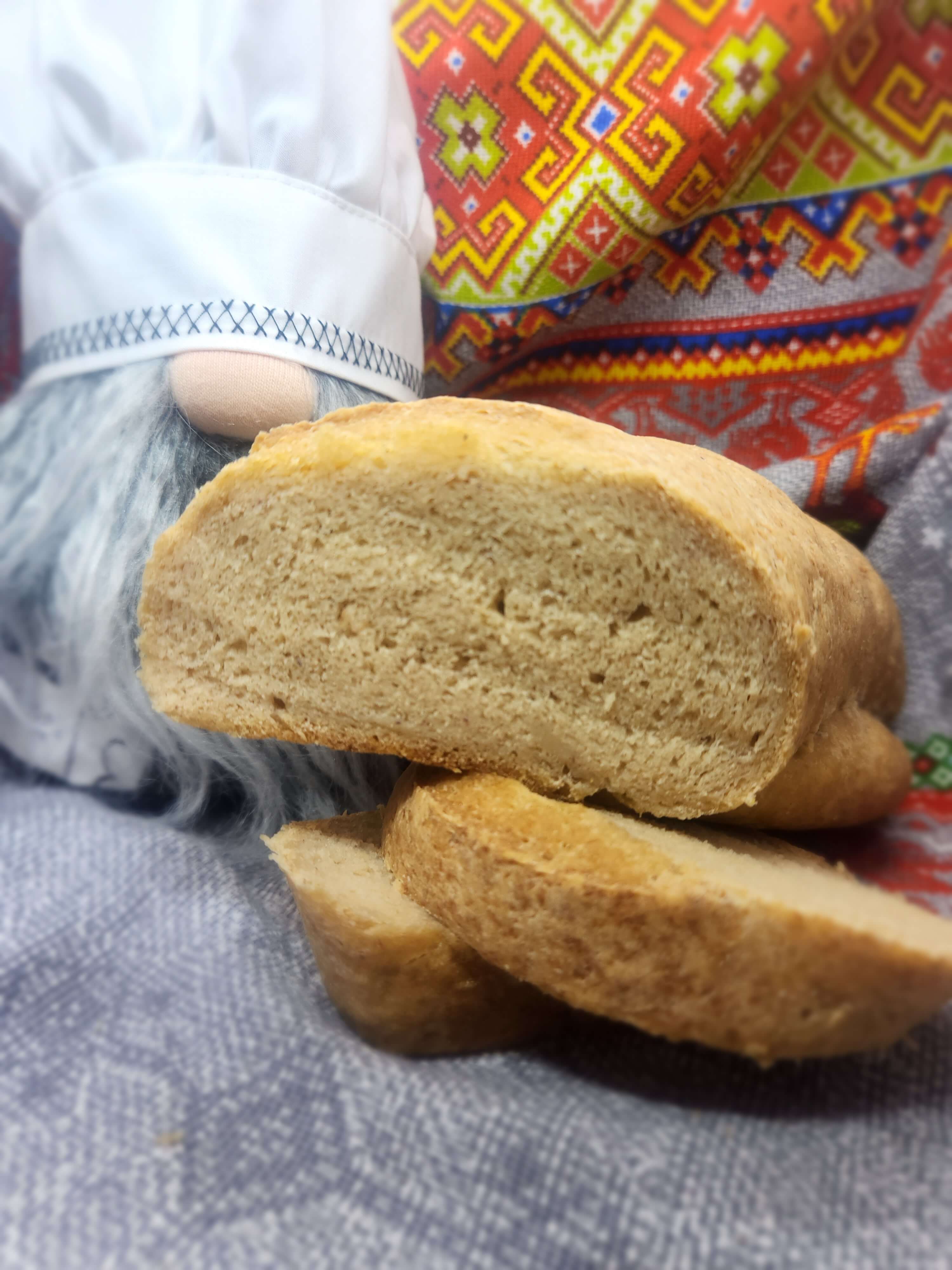
There’s something special about the smell of freshly baked bread, especially when it brings back memories of simpler times. For me, one of the most nostalgic moments from my childhood was walking home from the bakery with a warm French loaf in hand. I loved to tear off pieces of the crust, savoring the soft crumb as I strolled through the streets. My parents would laugh when I arrived home with half the bread already eaten. That simple pleasure—the combination of fresh air and a fresh loaf—remains one of my favorite memories.
But when I had to give up gluten due to health reasons, I thought those memories would stay just that: memories. The idea of recreating that beloved French loaf in a gluten-free version seemed impossible at first. After all, traditional wheat bread relies on gluten for its elasticity and structure, giving it that signature soft, yet slightly chewy texture. Could I ever bring back that experience in a gluten-free format?
The French loaf, or Pain de mie, first gained popularity in the 18th century as a softer, more versatile bread. Unlike the baguette, which is famous for its crispy crust and is often associated with daily consumption, the French loaf is more tender, neutral in flavor, and easier to slice. This makes it perfect for sandwiches, toast, or even spreading a little butter or jam. Its oval or rectangular shape is also a bonus in the kitchen, allowing for uniform slices and consistent use in different dishes.
For years, I longed to recreate that French loaf I cherished, but gluten-free baking presents its own challenges. The texture and flavor can be difficult to perfect without relying on traditional gluten-based ingredients. However, after countless trials (and more than a few errors), I finally found the key to bringing this bread back into my life.
The breakthrough came when I moved away from pre-mixed gluten-free flours, which often contain additives like xanthan gum and guar gum to mimic the texture of gluten. While these thickeners can help improve the texture of gluten-free bread, they also have their drawbacks, particularly for those with sensitive digestive systems. Many people, including myself, find that these ingredients can cause discomfort or even digestive issues.
Instead of relying on those commercial blends, I decided to create my own custom flour mix for the French loaf. This allowed me to control the ingredients more closely, avoiding the thickeners and focusing on whole, nutritious alternatives. By experimenting with various gluten-free flours like sorghum, millet, and chickpea, I discovered a combination that not only worked but also offered a healthier, more natural alternative. Tapioca starch adds the perfect amount of elasticity, while psyllium husk helps bind the ingredients together, giving the loaf a soft, yet stable structure without any added gums.
The result? A gluten-free French loaf that not only looks and tastes like the original but also offers a more digestible, allergy-friendly alternative. Best of all, the custom flour blend I’ve developed can be adapted based on local ingredients, so no matter where you are in the world, you can recreate this loaf with the gluten-free flours available to you. It’s a flexible recipe that speaks to the idea that gluten-free baking doesn’t have to be restrictive—it can be creative and tailored to individual needs.
If you’ve been searching for a gluten-free bread that brings back memories of traditional loaves, this gluten-free French loaf is just the thing. Its soft crumb and tender crust make it perfect for breakfast toast, sandwiches, or as an accompaniment to your favorite soups and stews.
To find out how to make this gluten-free French loaf and explore more of my recipes that are free from gluten and dairy, visit my website. I’ve dedicated myself to creating recipes that are not only delicious but also mindful of those with food sensitivities and dietary restrictions. Bon appétit!
Leave a Reply